25.12.10Sunami Toru Shoten
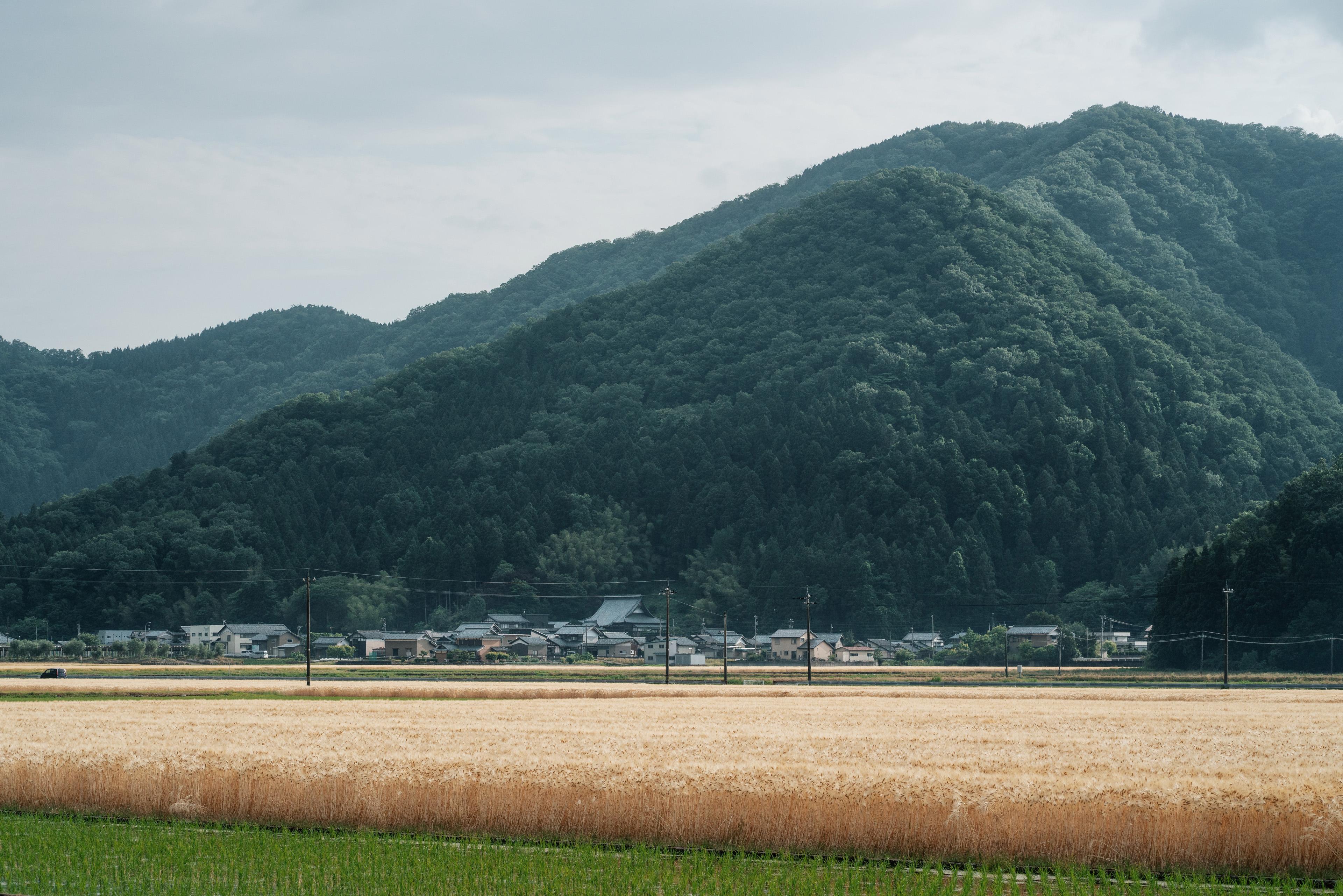
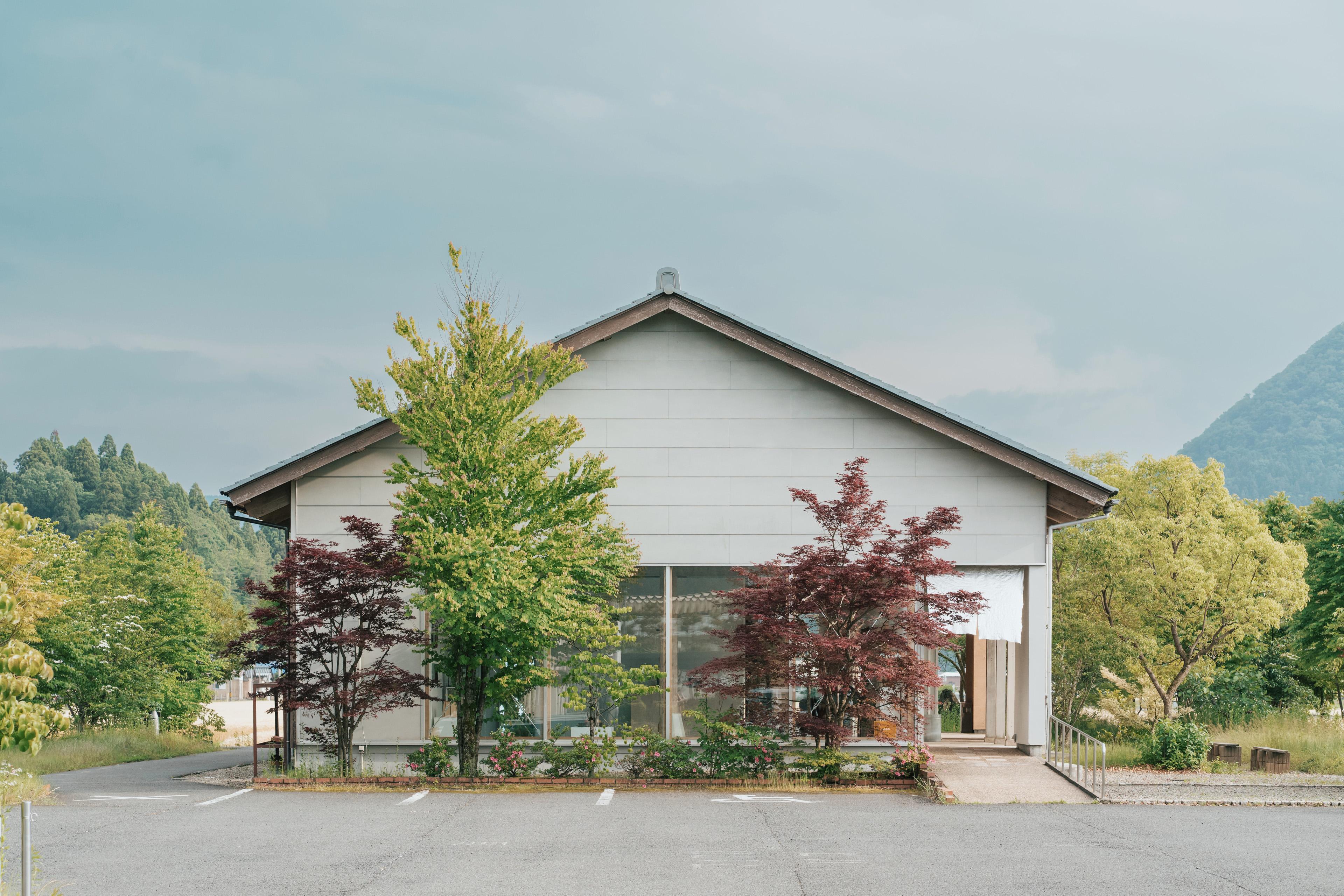
The town of Kurashiki, Okayama, has nurtured a unique mingei (folk art) culture through its links to the Ohara family, whose influence dates back to the Edo period, and pioneering textile artist and Kurashiki Museum of Folk Craft founder Kichinosuke Tonomura. Located on the rural outskirts, surrounded by fields, is the workshop of Sunami Toru Shoten.
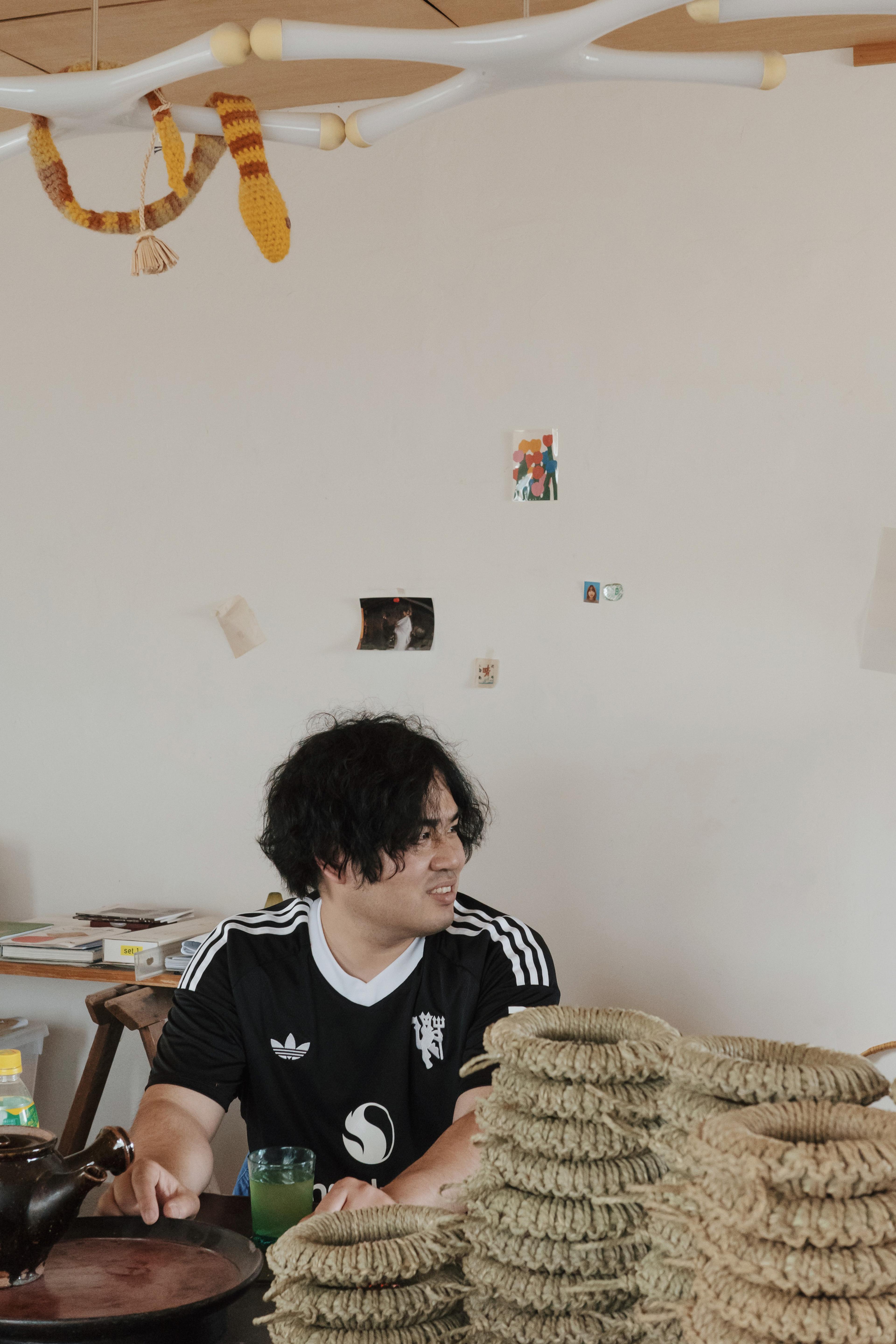
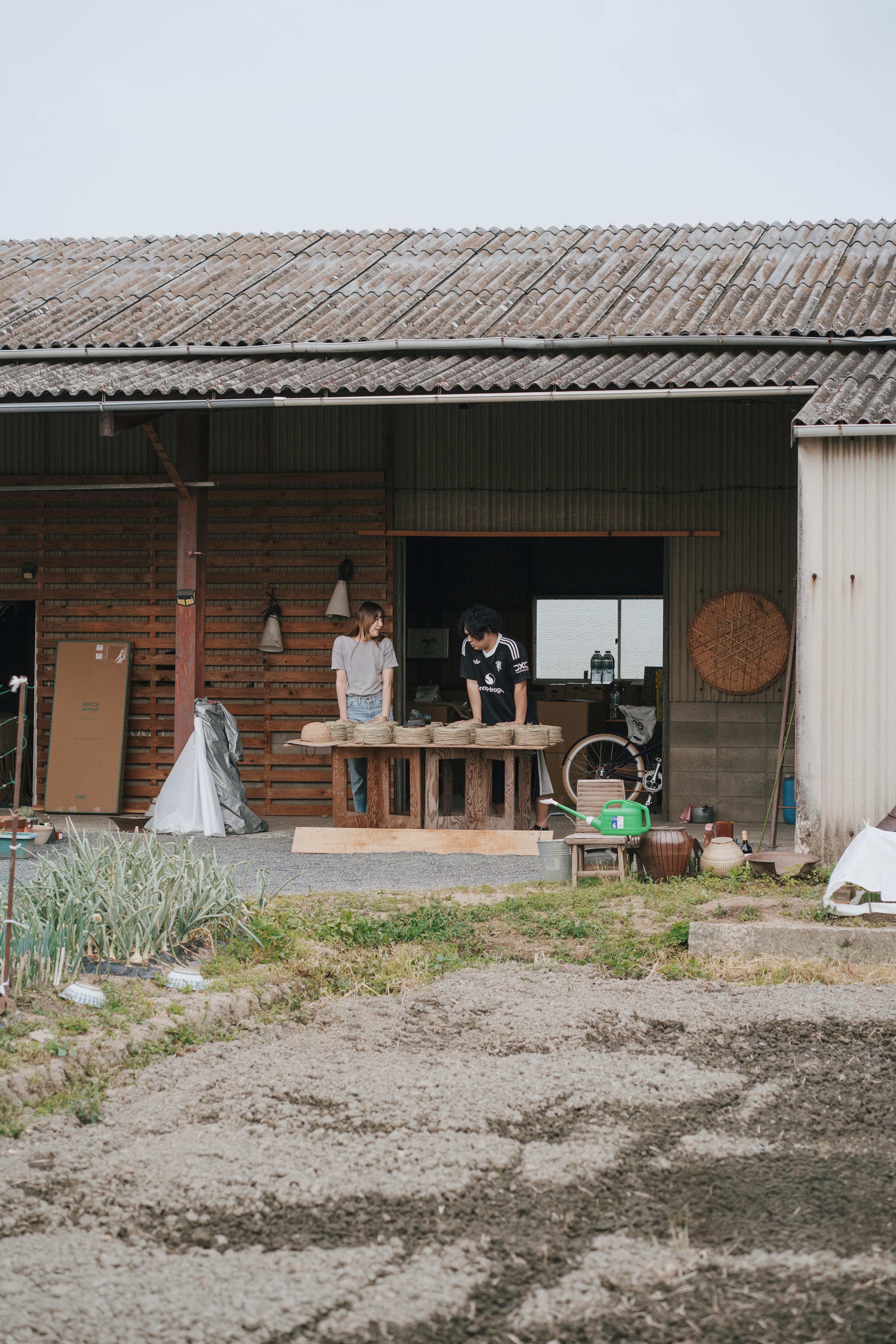
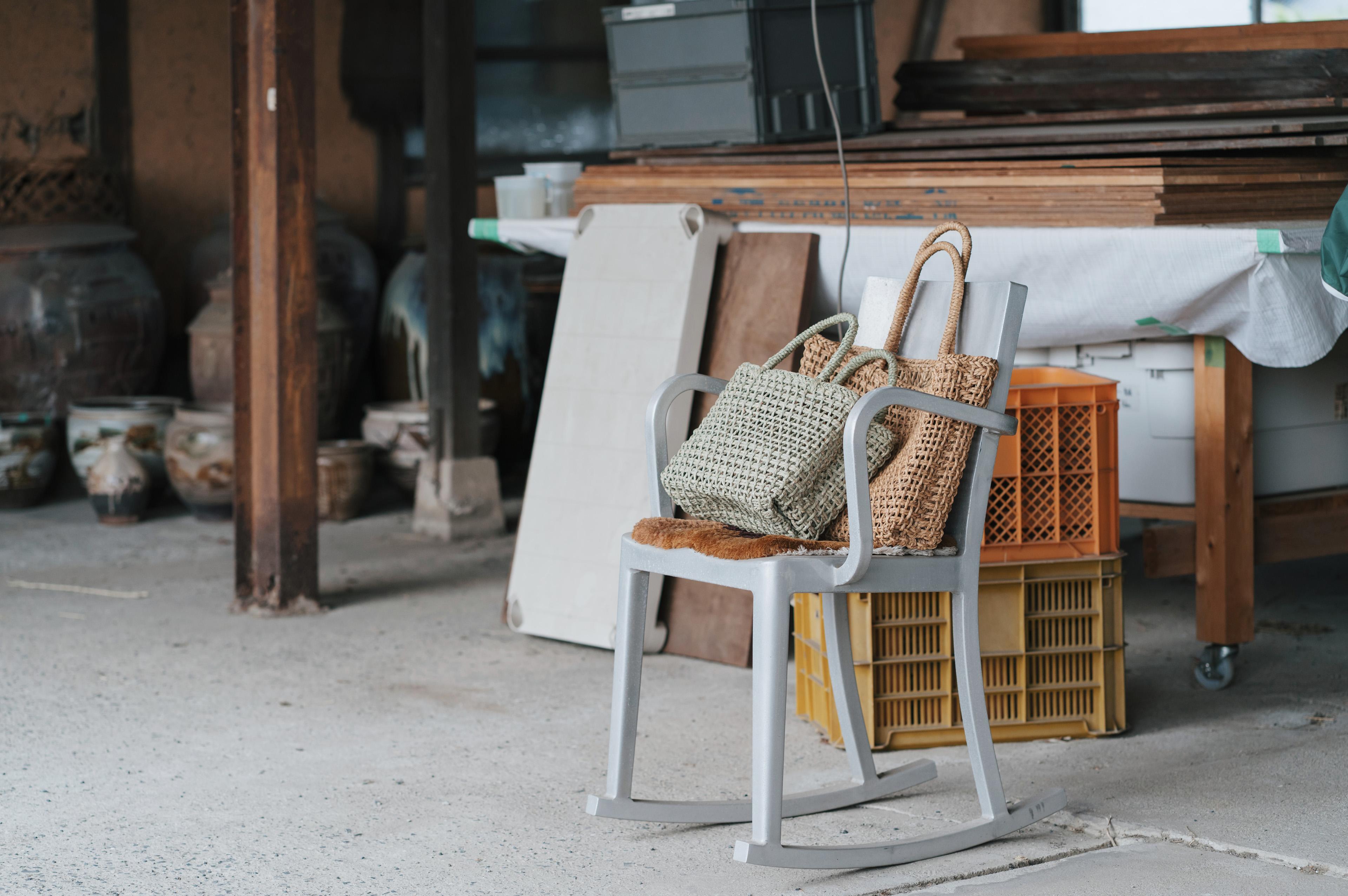
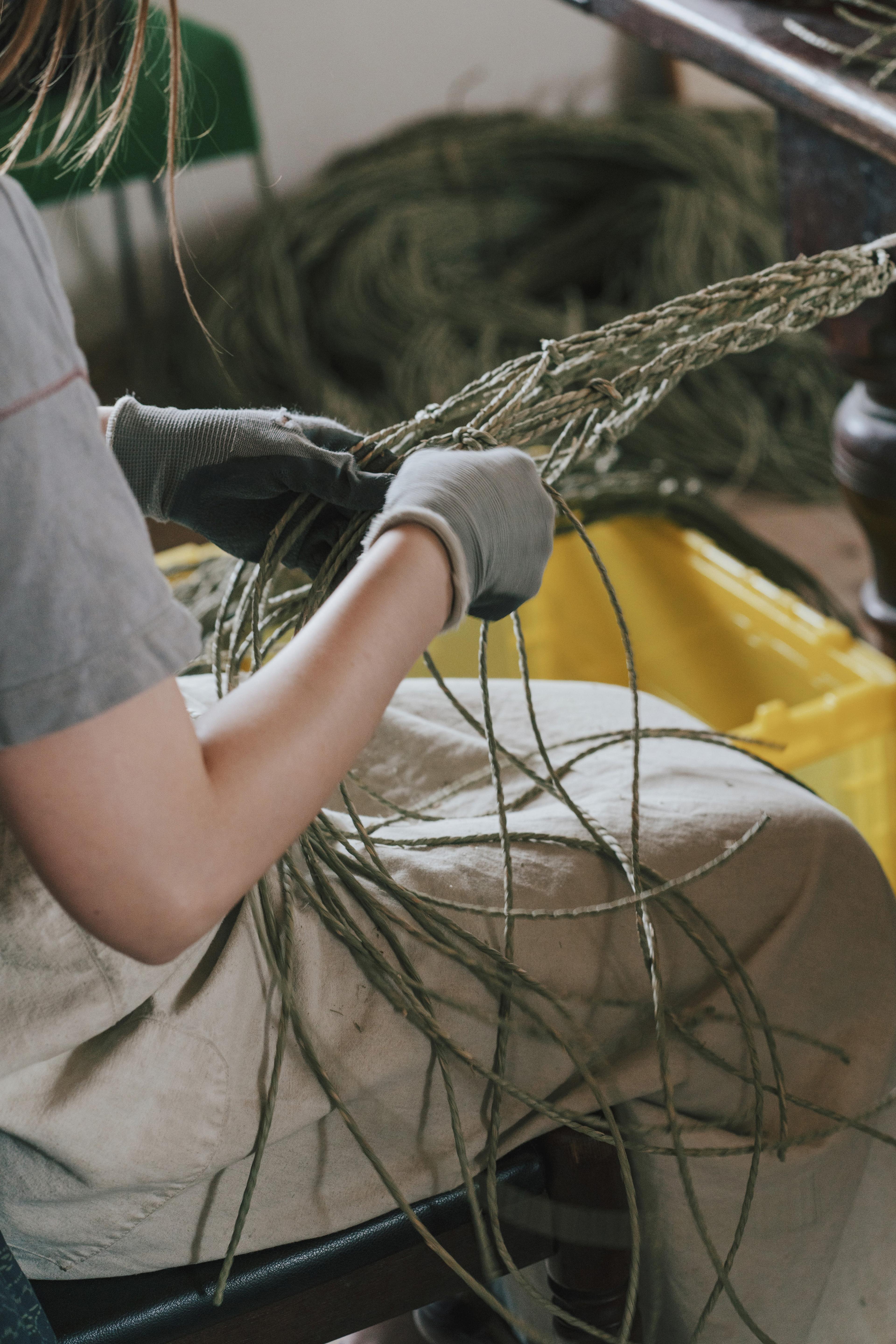
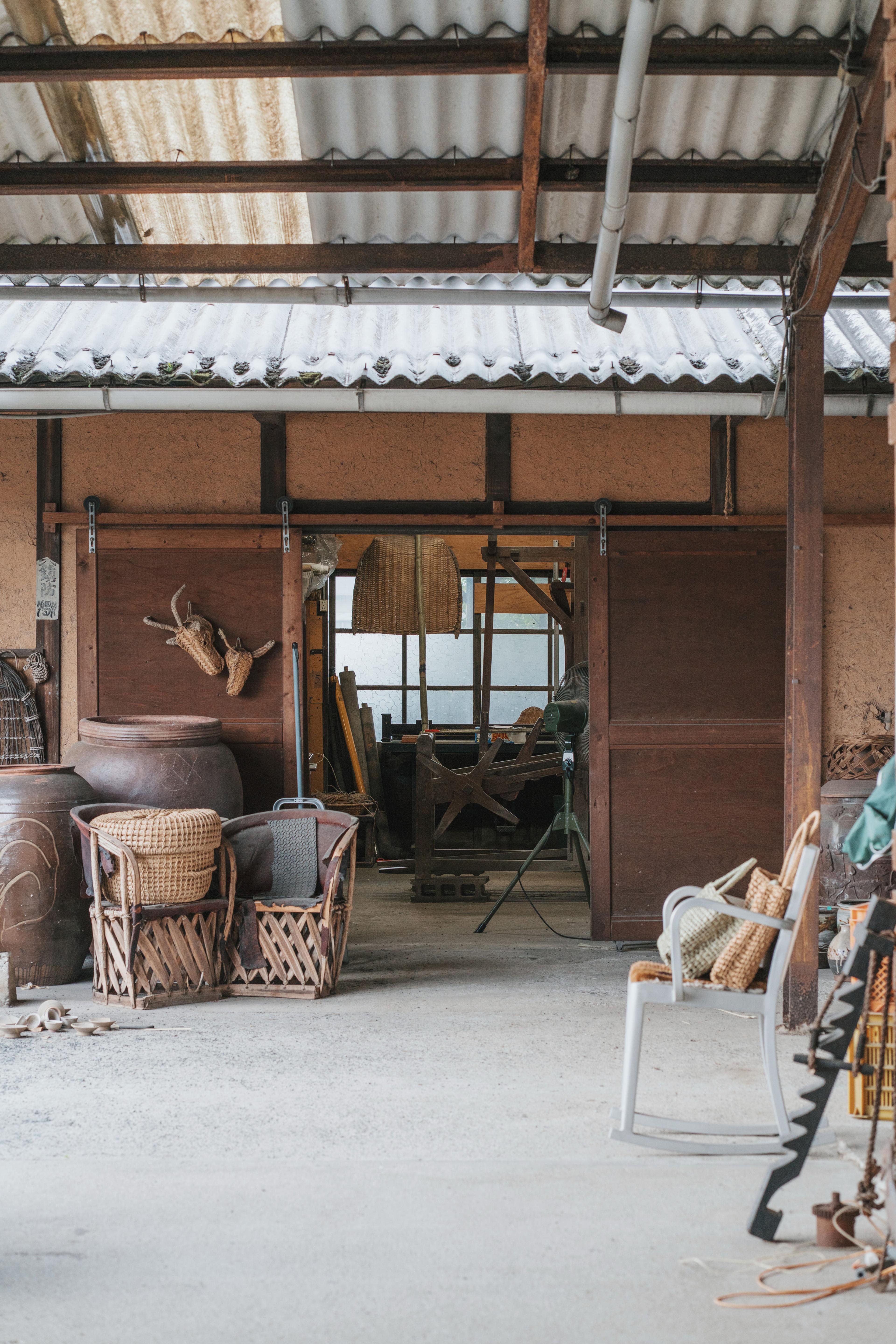
The workshop is led by fifth-generation head Ryuki Sunami, who works with three assistants on the production of a variety of igusa (rush grass) products. On this particular day, Sunami and his wife Shiho were busy in the workspace, making trivets and bottle bags – two popular items from Saikai Europe’s curated selection of Japanese wares.
The culture surrounding igusa crafts has deep roots in Kurashiki, dating back to ancient times, with Sunami Toru Shoten among the workshops building on this tradition from one generation to the next. For Sunami, who grew up watching his grandmother pursue the craft, joining the family business at the age of nineteen seemed like a natural progression. He would often take his work to local folk art and craft shops, asking for their feedback and deepening his skills and insights through encounters with people involved in the industry. Speaking with him, I sensed that his fleet-footed approach, honest character and desire to learn would have naturally enabled him to gain the support of those around him.

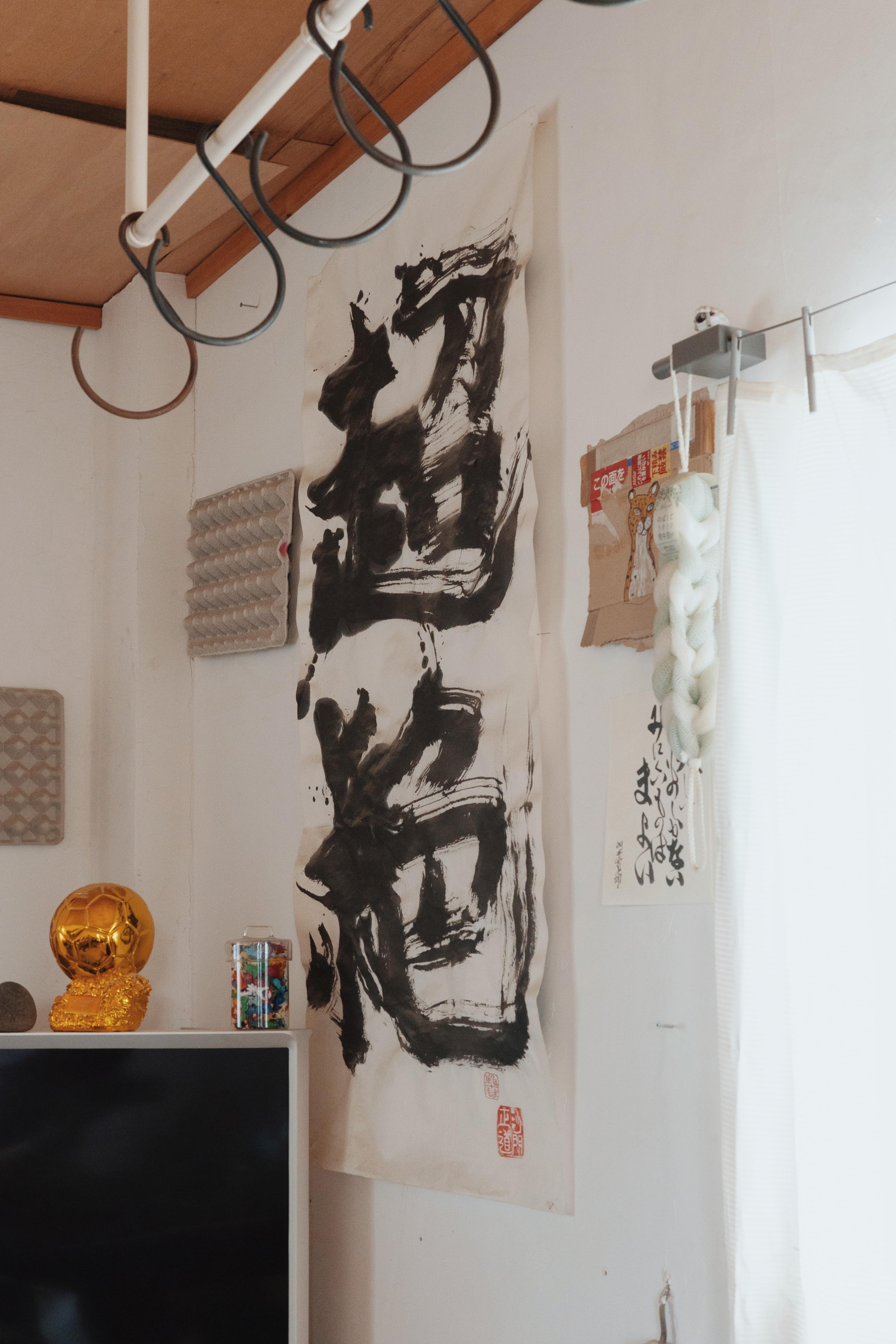
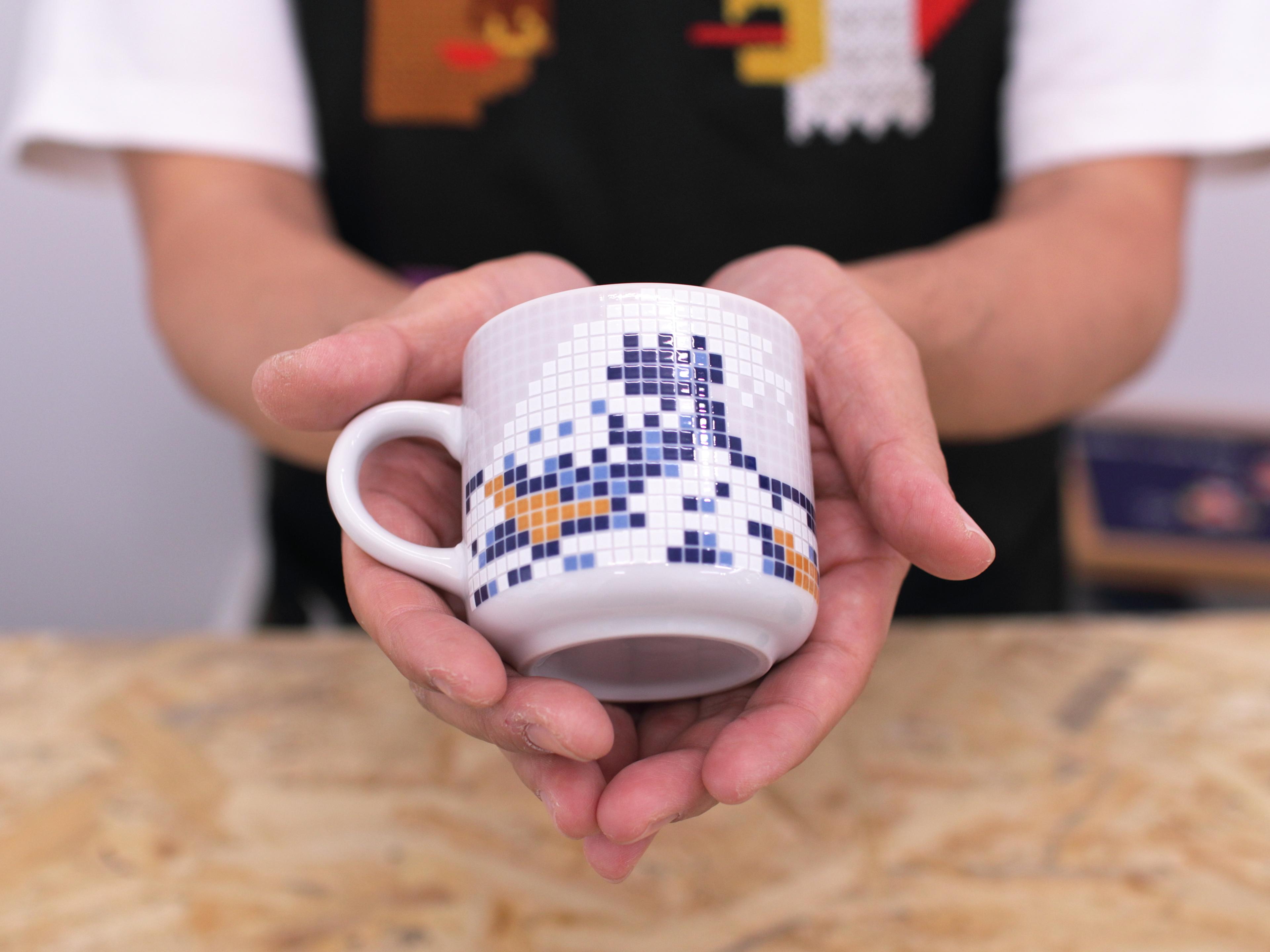
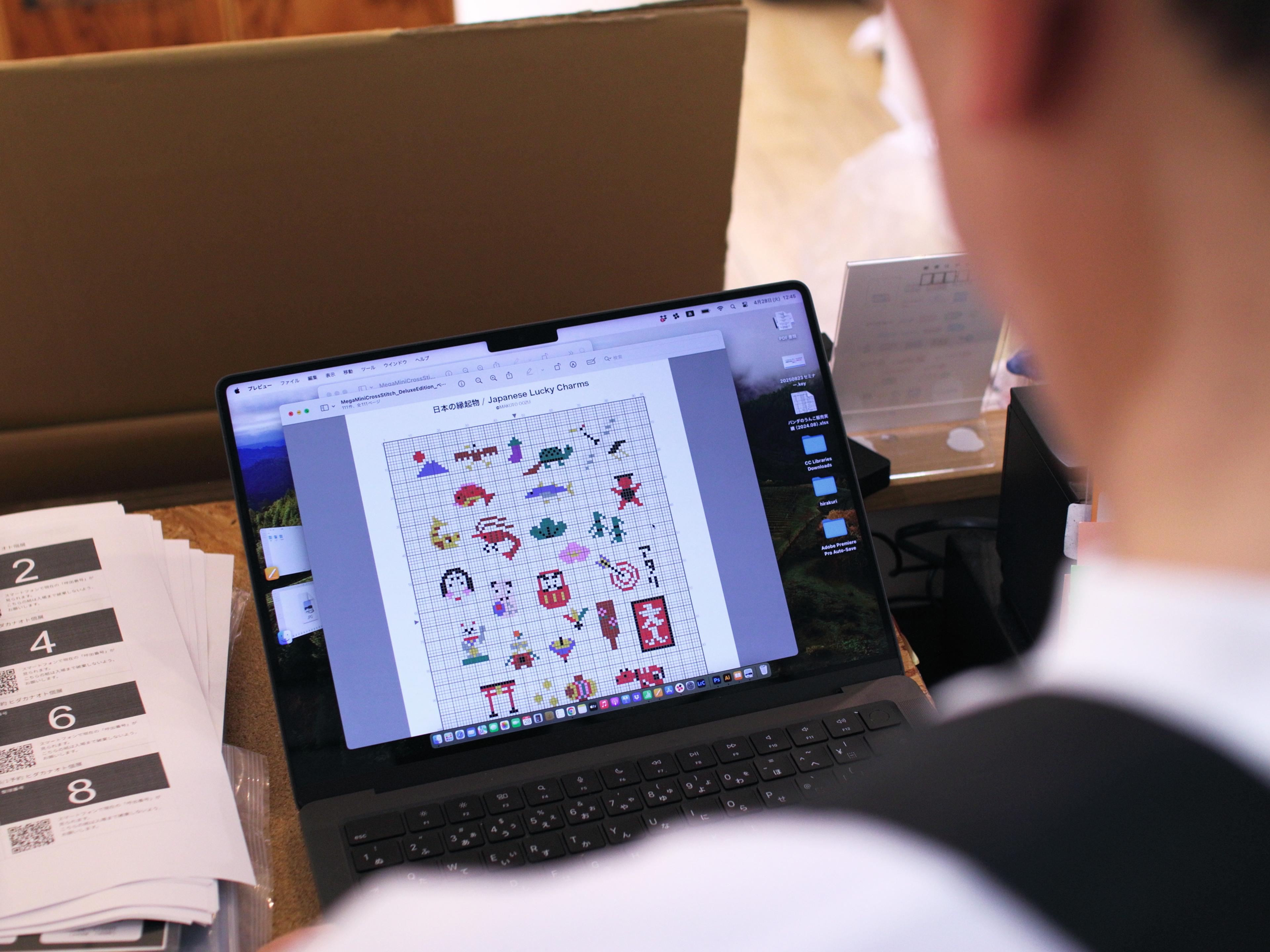
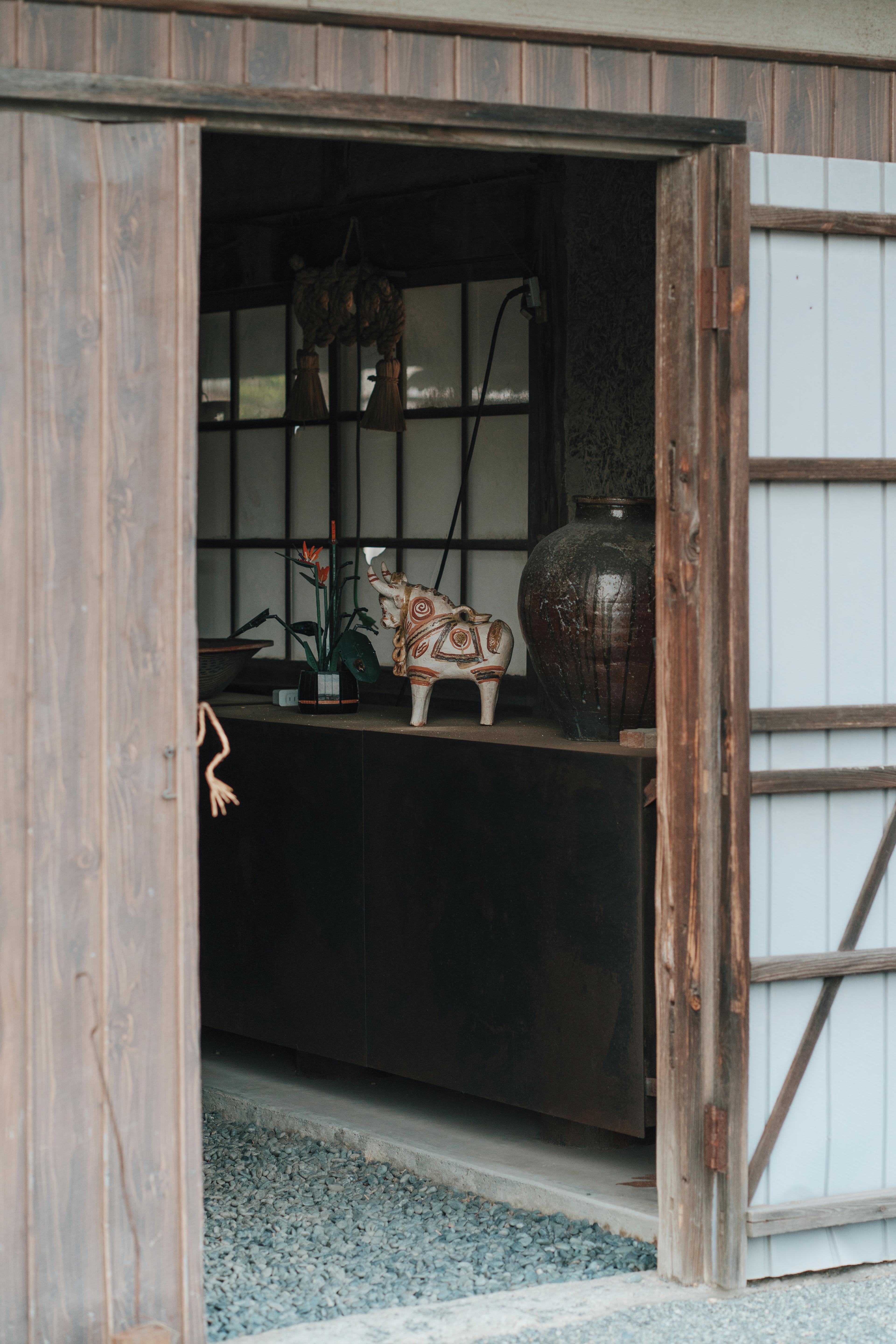
Venturing into the workshop, piles of materials, half-finished baskets, design items and character goods painted a picture of his unique perspective. As we discussed the pieces that caught my eye, I was fascinated by the depth and breadth of his interests, which range from sport to anime and design, fuelling a never-ending conversation.
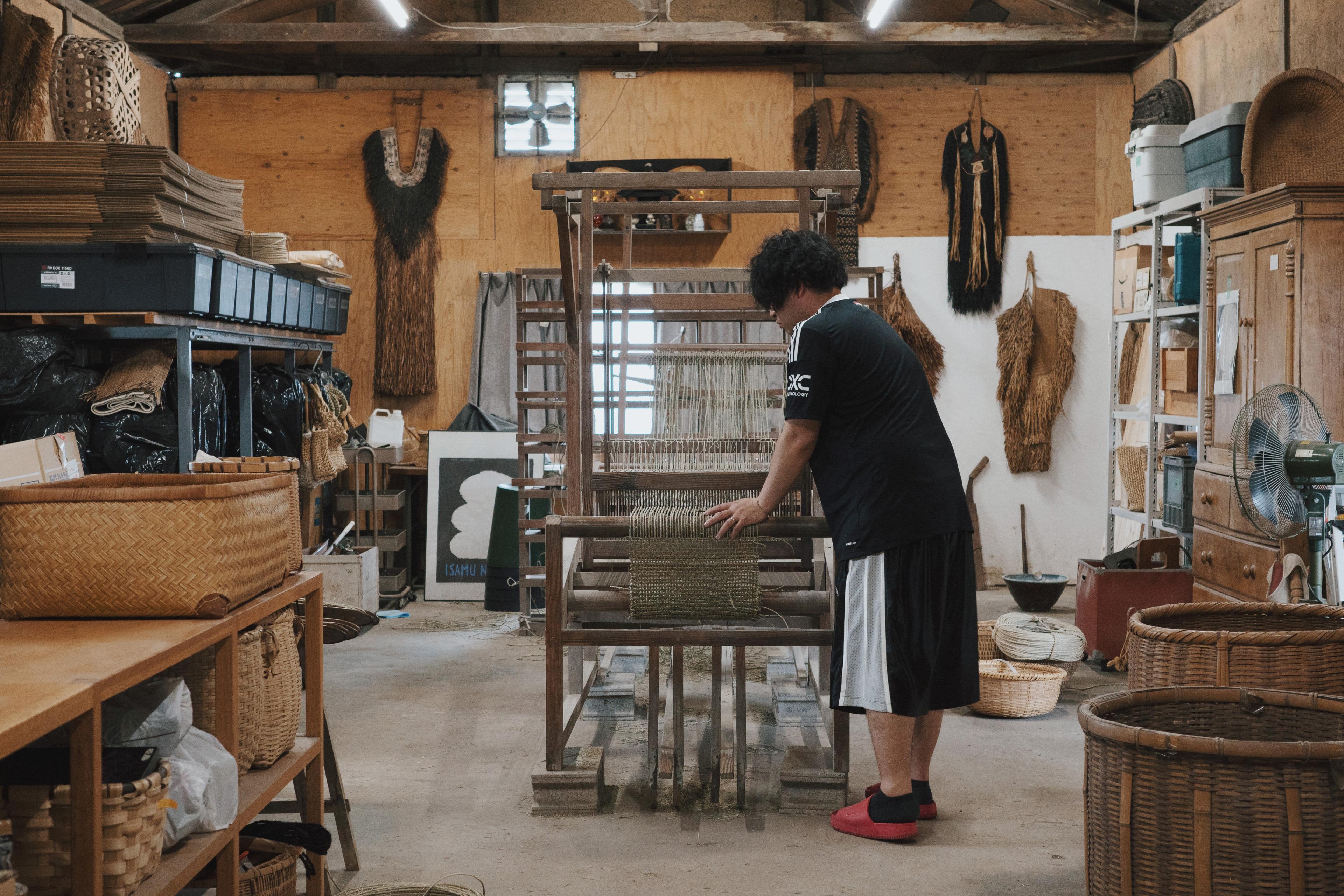
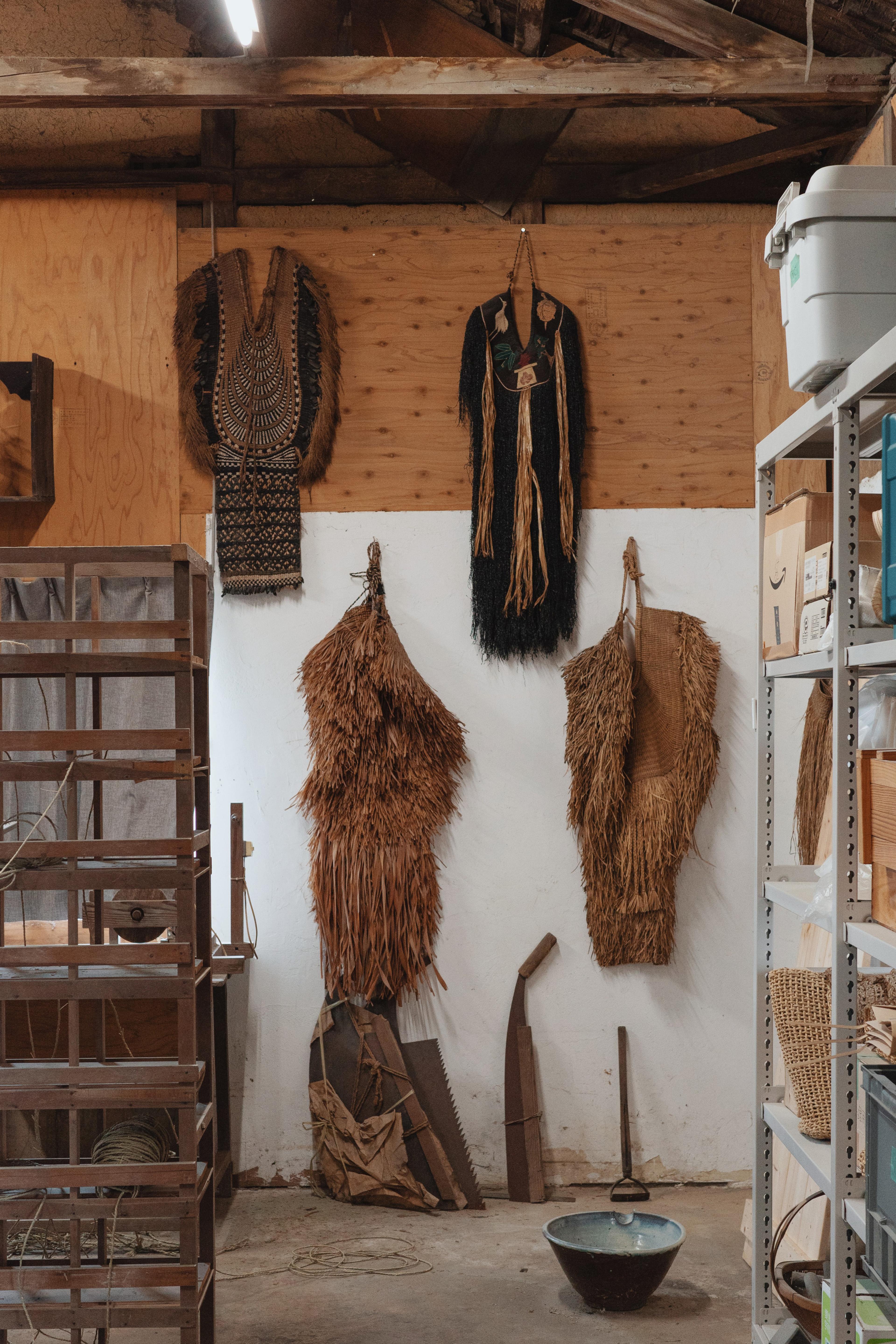
Sunami also showed me around the weaving workshop, housed in another building, where a loom was set up for weaving bases for igusa handbags. Lining the walls were snow coats from the Tohoku region, among a range of other folk crafts. As a collector of such items for many years, he is currently the vice president of the Okayama Folk Crafts Association and is involved in the planning of the Kurashiki Museum of Folk Craft.
Mingei can mean different things to different people, so I was curious to know what Sunami, who is deeply knowledgable about various fields, thought about the subject. While noting that it starts with the items collected by Soetsu Yanagi, founder of the mingei movement, he believed that mingei is something born from the local climate and refined over the course of generations. When I asked if his works were mingei, he replied, “That’s not something I can decide on myself, but I’d like them to be considered part of it someday.”
Sunami’s trivets, bottle bags and other items have attracted a loyal following among those with an eye for design, craft and lifestyle. Renewed interest in Japanese culture has seen his works delivered to various corners of the globe. “I don’t think about where I’d like them to be stocked or who I’d like to use them,” he says. Growing up watching his grandmother at work, he began making things naturally with the materials at hand, using existing forms and traditional patterns that had been made for generations. Rather than creating new designs, his aim is to expand the reach of these igusa products, establishing them as familiar tools for living in a range of settings.
People often ask about his plans for the future, and while he hopes to continue making as he gets older, he believes in going with the flow, rather than deciding what he will or will not do.
While taking on a form developed and refined by many craftspeople, Sunami included, Sunami Toru Shoten’s igusa products have a way of nestling into everyday life, reflecting his selfless and honest personality.