26.10.26Saikai Europe Study Session: The Dutch Landscape
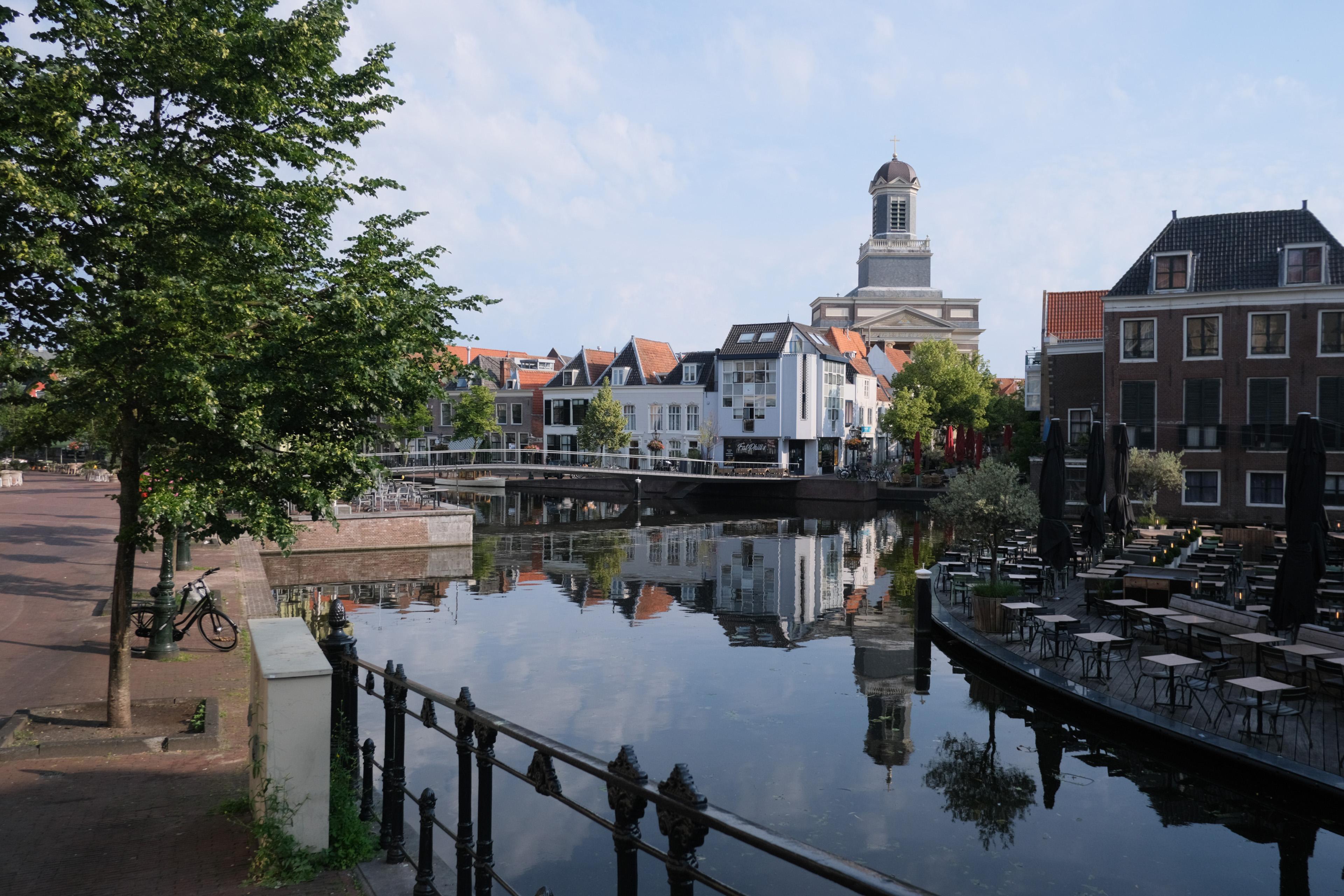
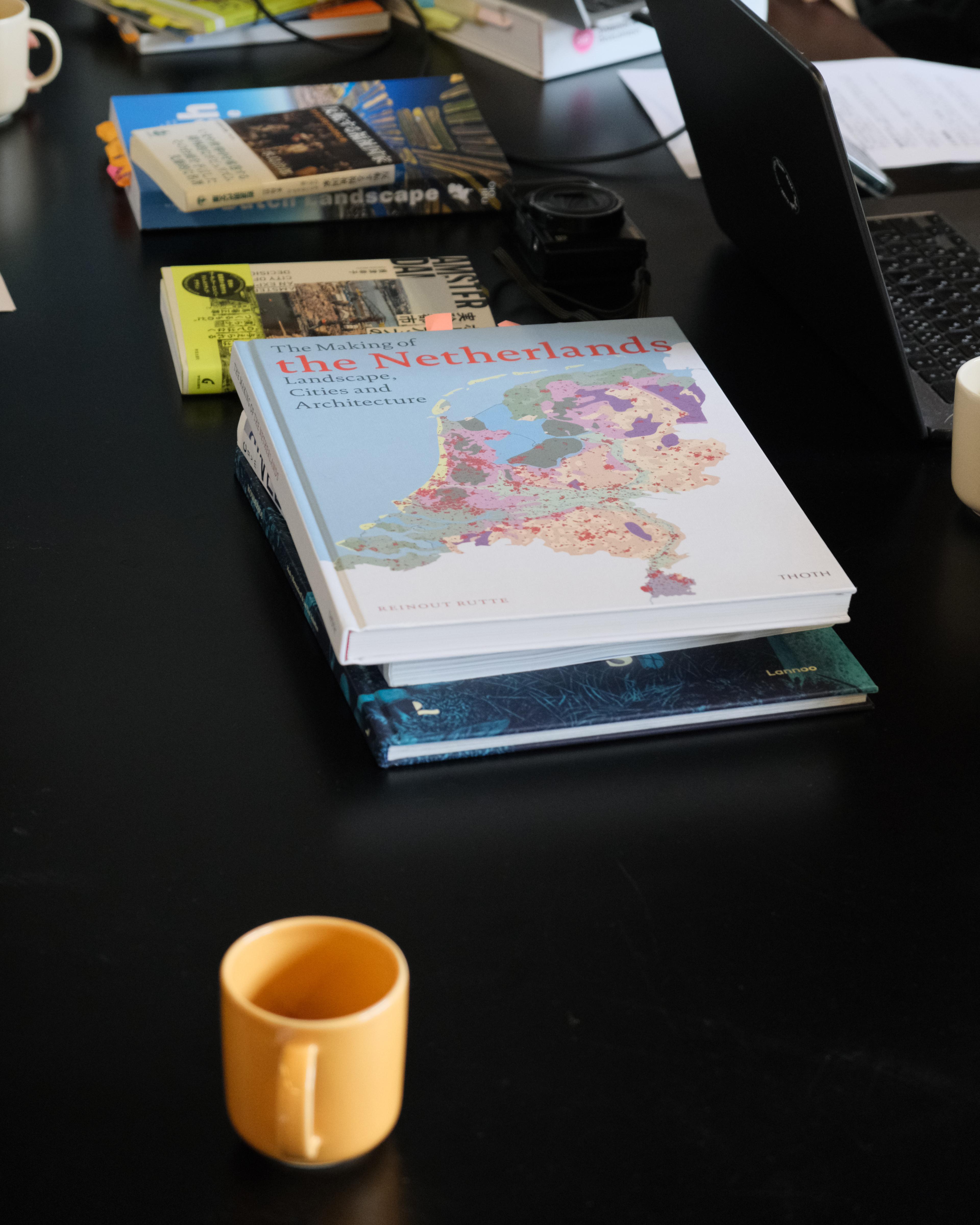
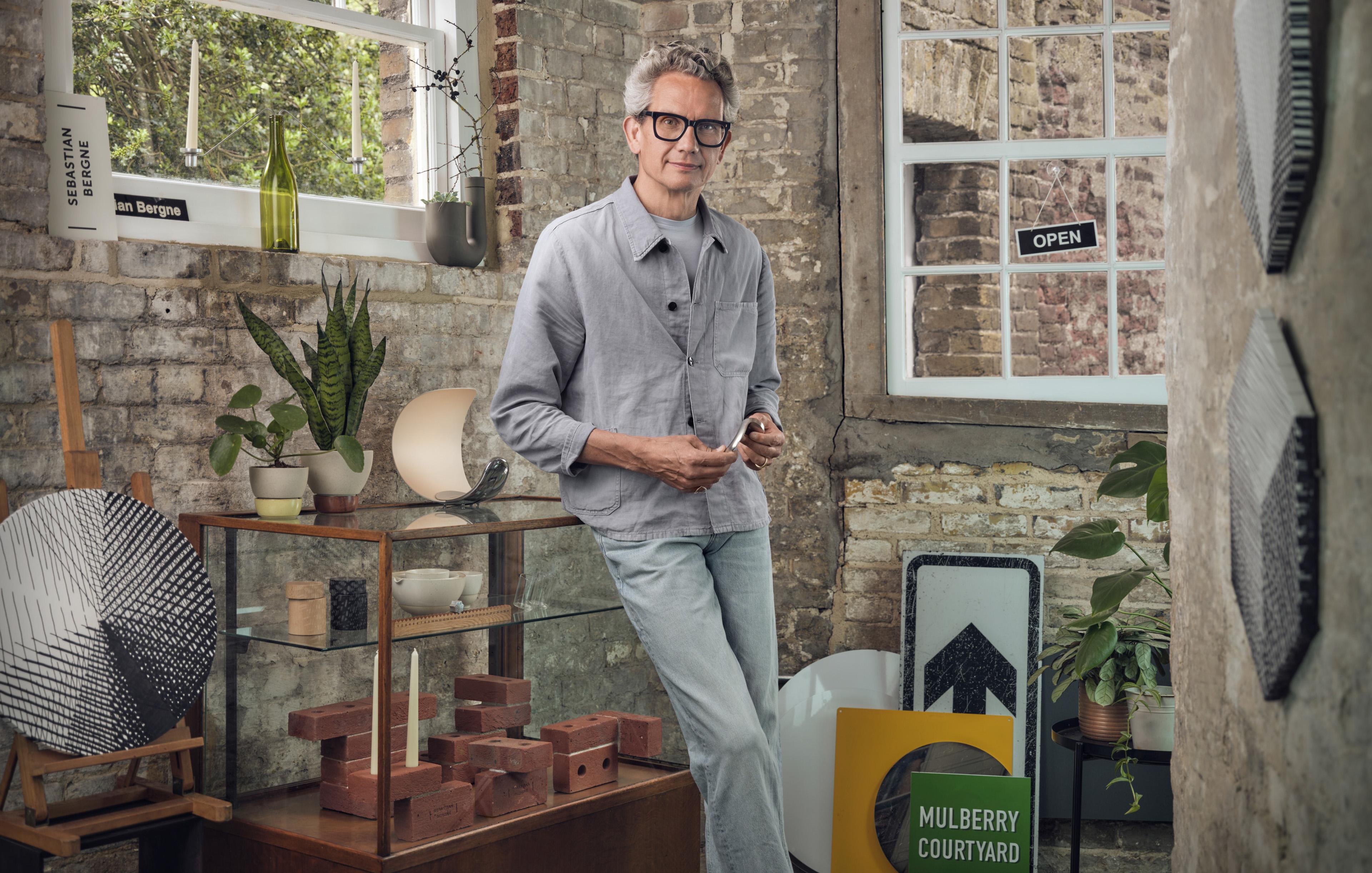
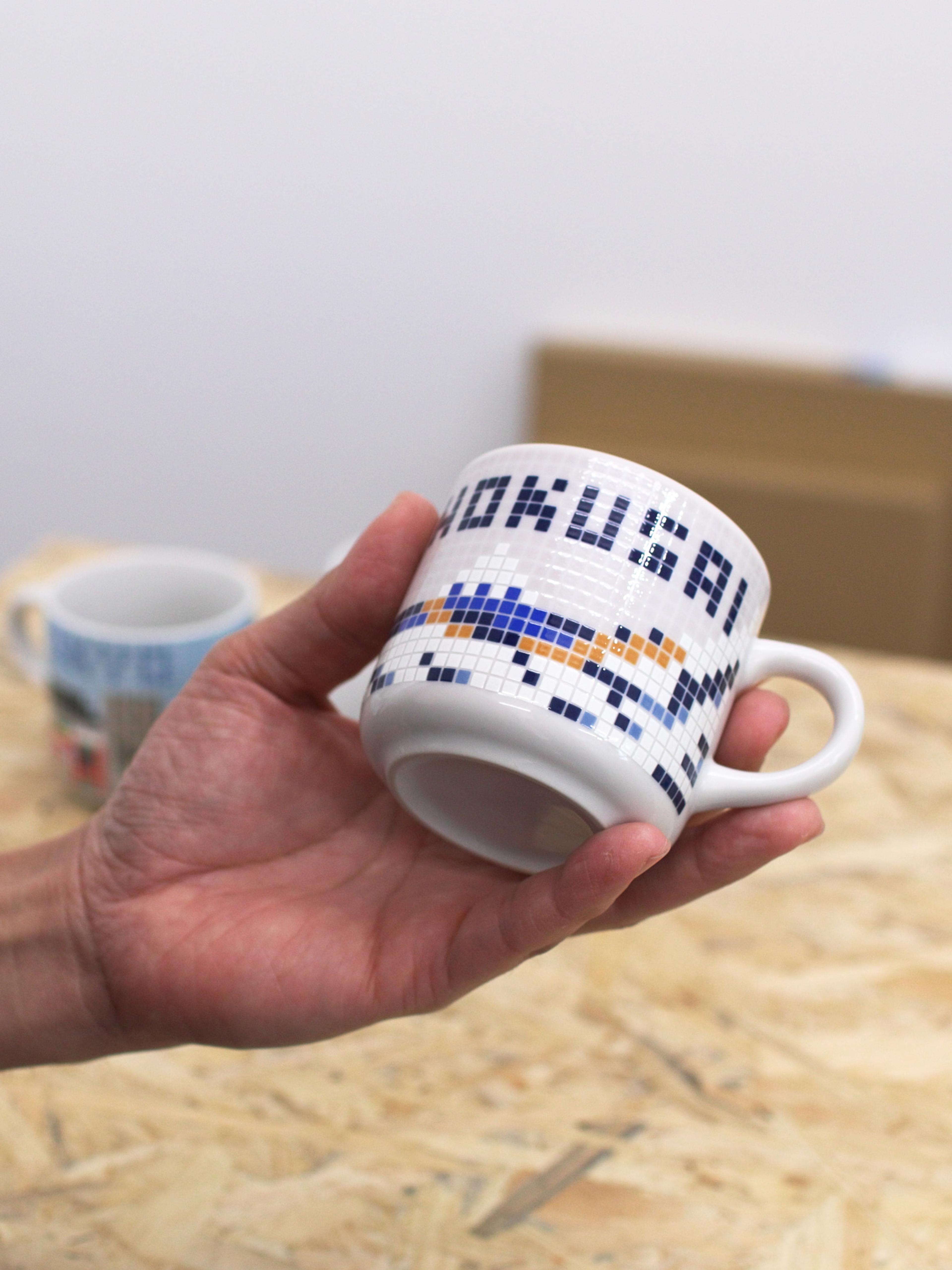
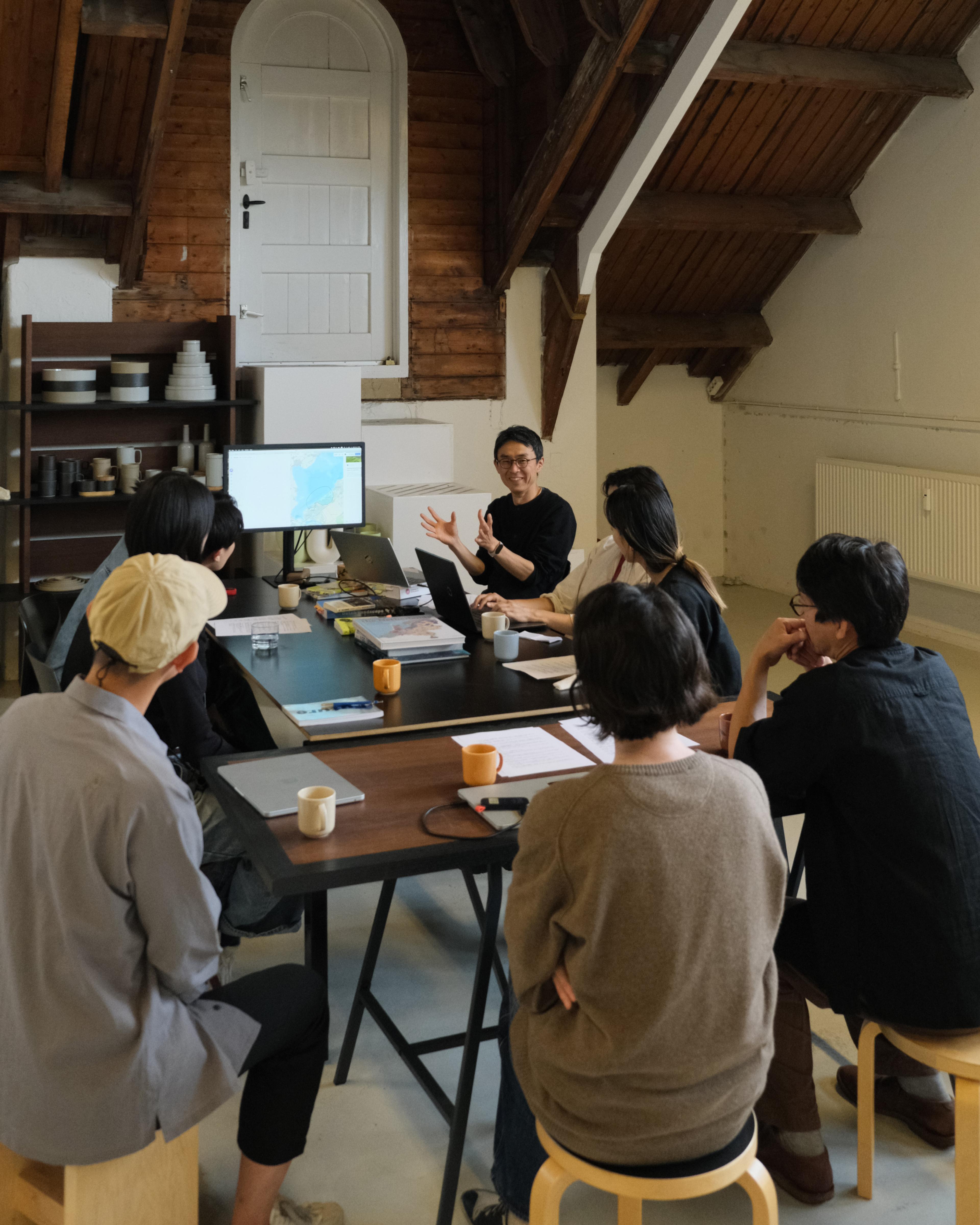
Localisation plays an essential role when conveying the qualities of Hasami-made ceramics in Europe. As Saikai Europe continues to deepen its understanding of local conditions, values and ways of life, the company has started holding study sessions at its headquarters in Leiden. The first session was led by Takeshi Okahashi, a Leiden-based researcher and writer who takes an interdisciplinary approach to exploring themes around lifestyle and locality, from circular design to architecture, landscape, technology and food. The theme of the session was landscape, a subject that has drawn Okahashi’s interest since relocating from Japan in 2020, and has been captured in this journal article.
The Netherlands has no mononoke
Not long after I began living in the Netherlands, I realised there are no mononoke (spirits) here.
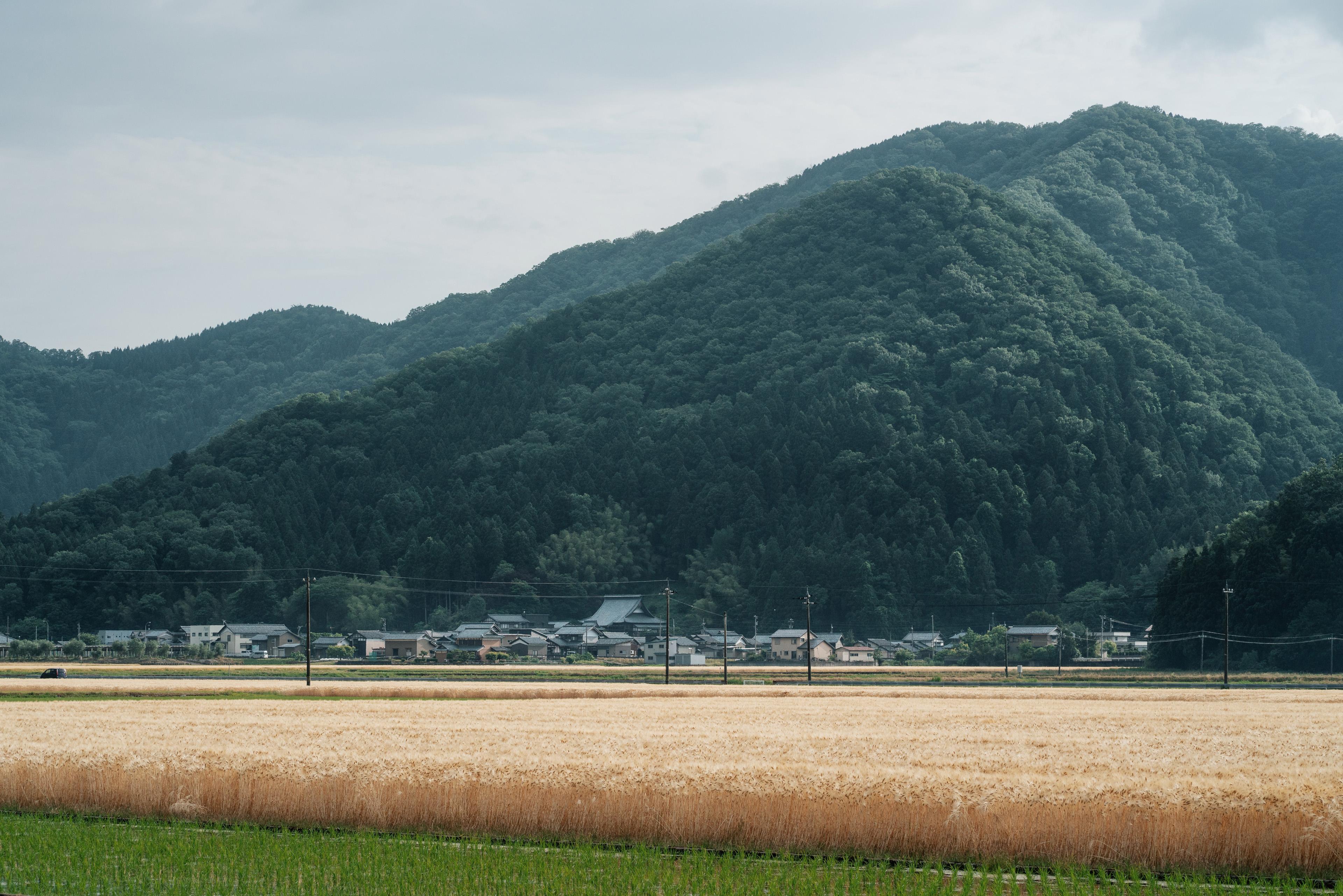
In present-day Japan, particularly in cities, sensing the presence of mononoke has become an increasingly rare occurrence. But when you venture outside the inner city areas, there are dense thickets and sacred forests home to shrines, places with an atmosphere that gives the impression that spirits may be present. However, after six years in the Netherlands, I’ve yet to have that feeling. Of course, there are pleasant forests and green spaces nearby, yet as comfortable as they may be, the atmosphere is different.
When I began thinking about the reasons behind this, the answer became obvious. They are manmade places.
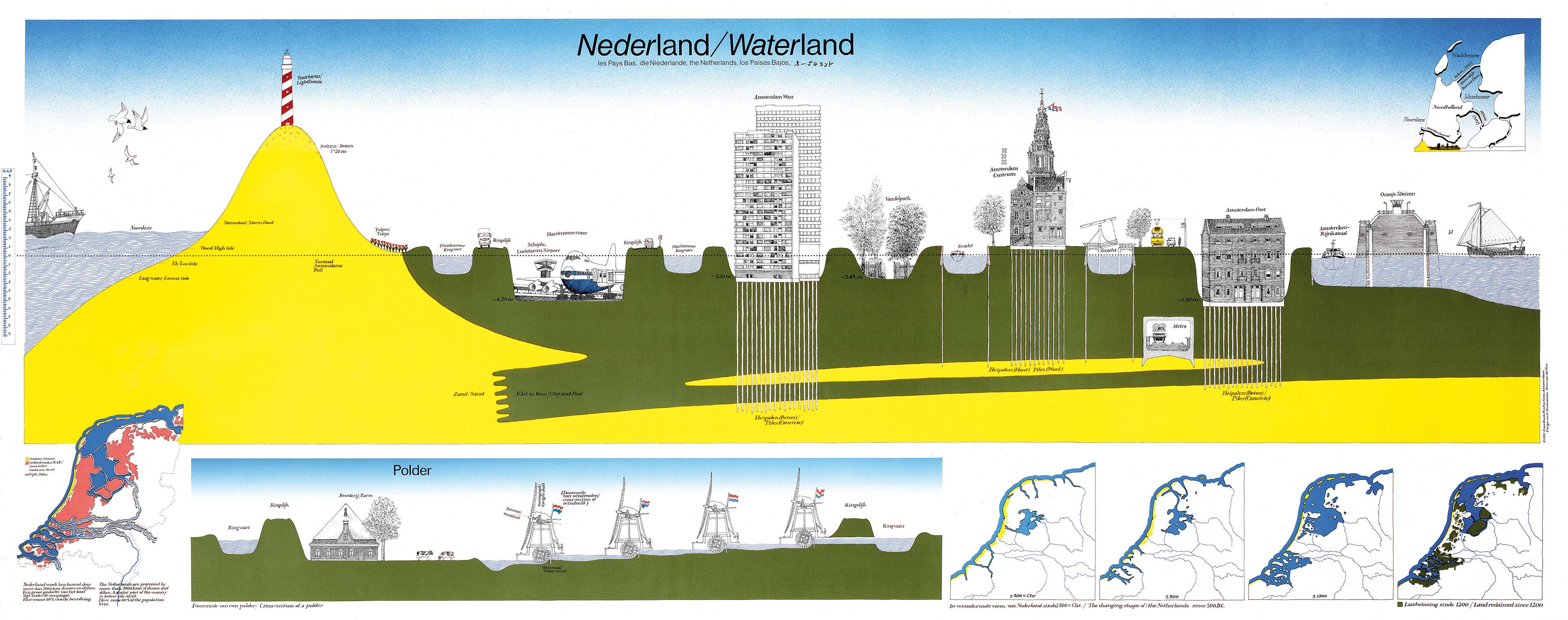
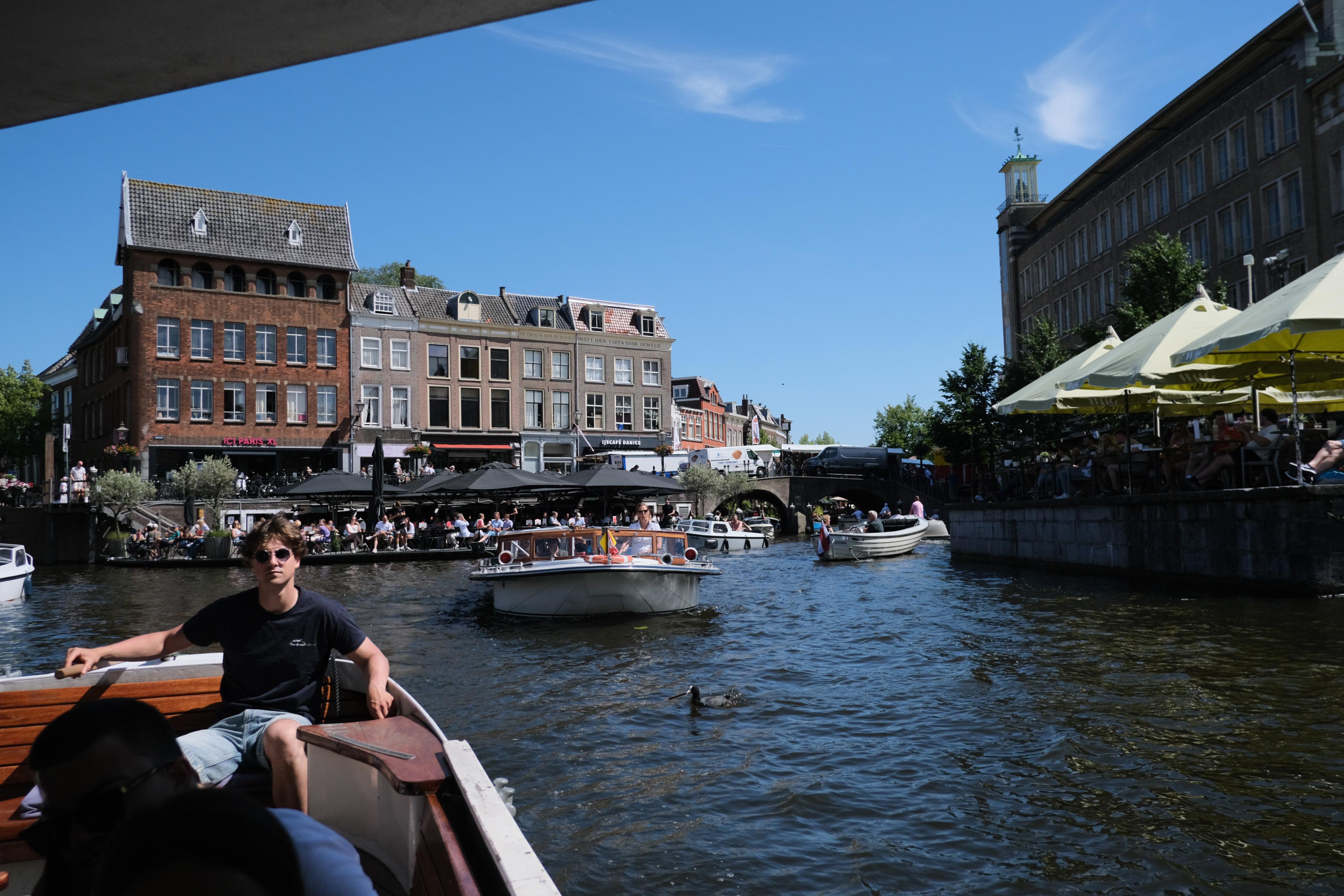
There’s a common saying in the Netherlands: “God created the world, but the Dutch created the Netherlands”. For as far as the eye can see, the land is flat and has no noticeable changes in elevation. Around 26 percent of the country’s land sits below sea level, while another 18 percent is reclaimed. Without the implementation of dikes and other flood control mechanisms, around 60 percent of the country would be inundated on a regular basis. “The Dutch created the Netherlands” reflects this fact, implying that its very existence is the result of human ingenuity and labour.
“Landscape” originated from the Dutch language
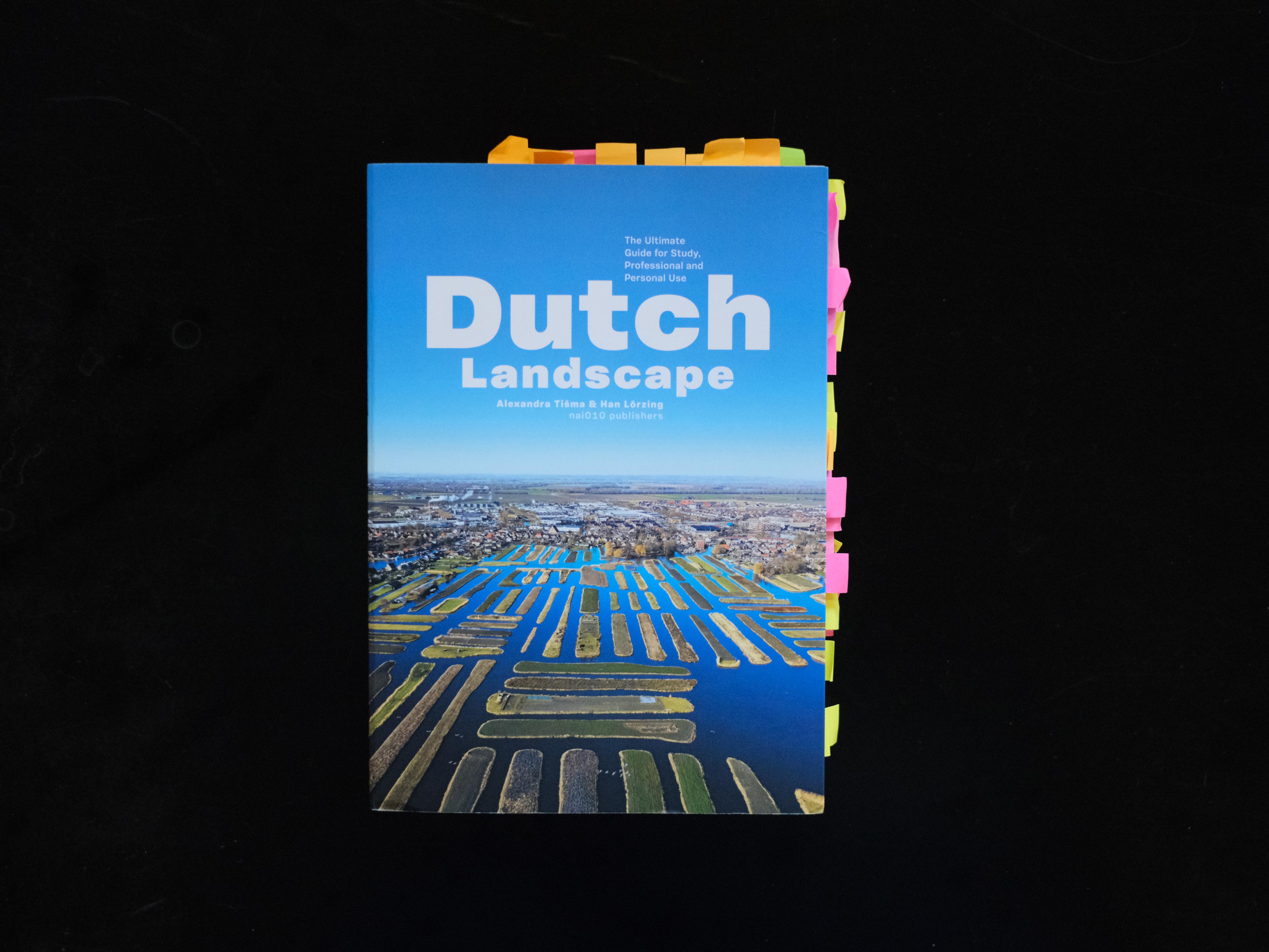
What exactly is a landscape? The English word, which has also been widely adopted in Japan, is derived from the Dutch word landschap. The term entered the English language during the sixteenth century and was initially used in reference to landscape paintings.
There is also a myth, put forward by landscape historian John R. Stilgoe, that its origins actually lie in the Northern Netherlands, where the Frisian word landschop means “dug-up land”. In fact, the region still retains historic settlements elevated on manmade mounds, built to protect against flooding and storm surges. Digging up the land to construct places to live is what Stilgoe connected to the origins of the English word.
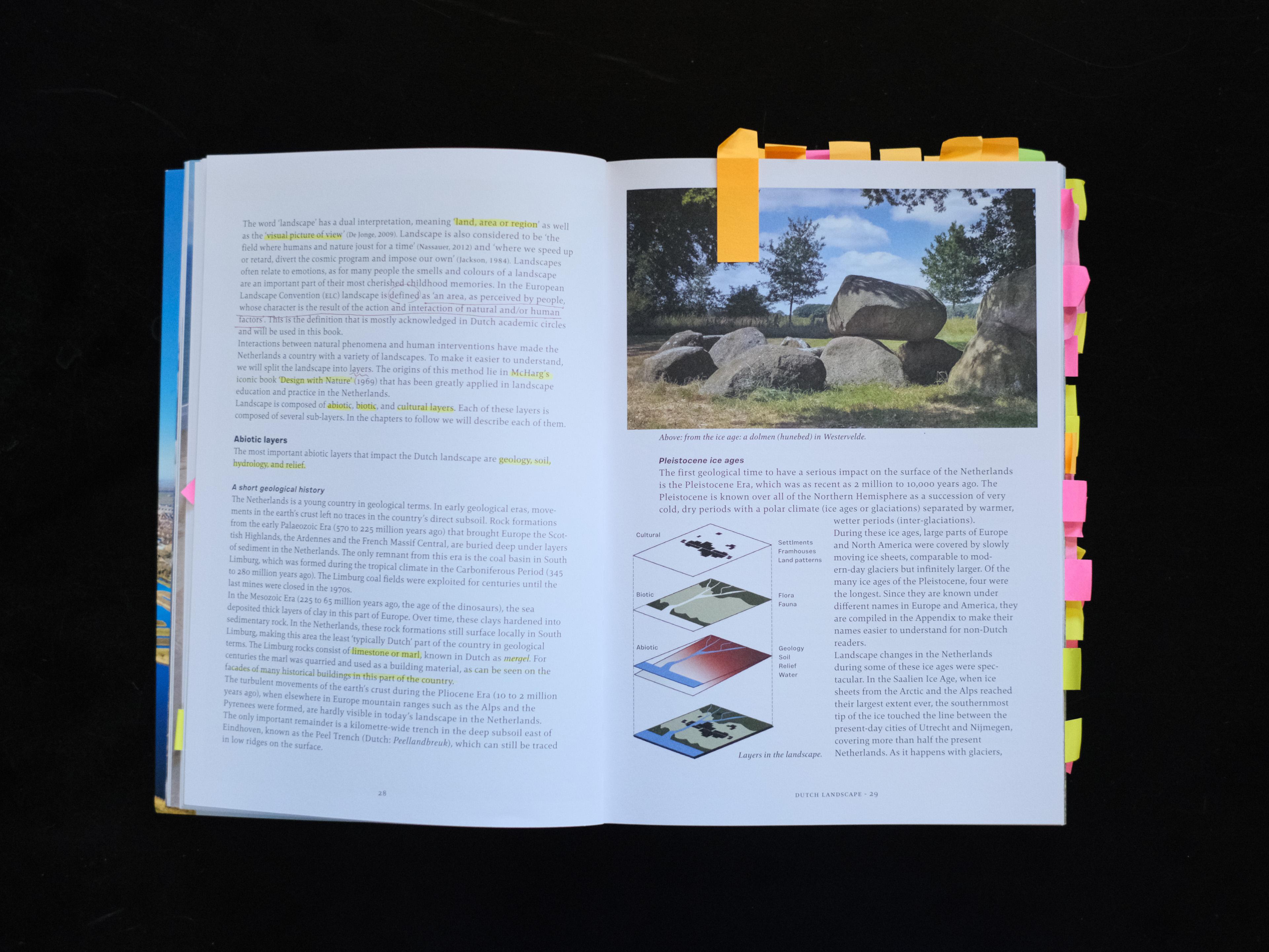
But what is the meaning of landscape today? In broad terms, the European Landscape Convention defines it as “an area, as perceived by people, whose character is the result of the action and interaction of natural and/or human factors”. Rather than being solely defined by nature or humans, it results from the interaction between them.
Another way of understanding landscapes is through landscape ecology, which views the land in layers. Abiotic factors, such as topography, geology, water systems and climate, provide the foundation for the natural environment. Next are the biotic factors, such as plants, animals and humans. Finally, the cultural factors include land use, agriculture, construction, infrastructure, history, memories and values. These layers overlap and interact with one another to form landscapes, which remain in a constant state of change. Scientific and systematic, the landscape ecology approach is valuable for understanding the landscape.
The Polder Model: Managing water through dialogue
The history of the Netherlands is a history of battling water. There’s the water from the sea, and the water from the rivers. Without an array of pumps, canals, dams and embankments, neither industry nor society in general would be able to function properly. And for that reason, flood control technology has continued to develop and the Netherlands has become known as a nation of engineers.
Returning to the three layers mentioned earlier, flood control facilities are part of the cultural, manmade layer. The Netherlands is around the same size as Kyushu, one of Japan’s main islands where Hasami is located, and while the land is mainly flat, there are some variations in the landscape. Abiotic factors such as the geology and relationships to sea and river have an influence, while at the same time, their interplay with biotic and cultural elements also shapes the landscape.
Among those variations are a large number of polders, parcels of land made by surrounding them with dikes and pumping out the water. Some polders are created by reclaiming lakes or wetlands, while others are formed by enclosing and draining sections of inland sea.
Even after the initial draining and creation of a polder, its water level must continue to be managed over time. Dikes, canals, windmills and pumps are all essential to this process. At the same time, both the land and the water are linked to the jobs and lives of a large number of people, placing further importance on reaching consensus among residents. Managing the water means continuously engaging in dialogue.
In the Netherlands, water management associations known as Waterschap have an incredibly long history. Dating back to the 13th century, the association for the area encompassing Leiden is said to be one of the oldest, predating even the Kingdom of the Netherlands, which was formed in 1815. Even today, residents pay an annual water board tax of 300-400 euros.
As the saying goes, “Water doesn’t wait for politics”. Despite their varying interests, people must continue to reach compromises through dialogue and experiment with new measures. This consensus-building culture, known as the “Polder Model”, is often used to describe the characteristic nature of the Netherlands.
However, from my own perspective, I don’t think it should be over-romanticised as an amazing tradition. It could also be said that dialogue was the only means for collective water management. My view is that it’s simply a practical solution born out of necessity.
The spectre of disaster always looms large over water management. The construction of large embankments and land reclamation projects are usually preceded by flooding and storm surges that have claimed numerous casualties. Action is not fuelled by things going well, it’s a response to painful setbacks. While not unique to the Netherlands, this is an aspect of the country’s relationship with water.
Each local landscape gives rise to culture
During my research on landscape in the Netherlands, I once again became interested in French geographer Augustin Berque’s work on mesology (the relationship between organisms and their environments).
The root of this study was Fudo, the seminal work by Japanese philosopher Tetsuro Watsuji. In this book, Watsuji discussed how local conditions, including climate and topography, shape the spirit and culture of the people living within an area. Berque translated and built upon his work, establishing mesology or fudogaku (“the study of fudo”) within the European context, in turn challenging modern Western thought and its distinct separation of subject and object.
As for the Japanese term fudo, it refers to neither scenery nor environment. Scenery is abstract and connects to one’s imagination; environment is an ecological term and takes an objective view of nature. Fudo, however, is an expression that captures the space between them.
Before settling in the Netherlands, I thought of it as a country with a rugged, engineer-like temperament born from environmental engineering. The reality, however, was that the immediate environment demanded action, leading to a long history of earnest endeavours. And as I began living here, I sensed the mindset that strives to bring a sense of comfort and nostalgia to such actions.
For example, the Herenboeren is a system for citizen co-ownership of farmland. Around 250 households contribute funds to acquire a piece of land and hire a farmer to cultivate crops. I’m part of such a cooperative and have found picking my own herbs to be truly satisfying. While only a minor endeavour in the context of the greater landscape, it’s something cared for by hundreds of people, dozens of whom visit on a daily basis. There’s a solid structure, encompassing everything from who bears what costs to how the system is created and at what scale, not unlike the Polder Model.
The Netherlands has also been implementing Tiny Forests, a foresting method proposed by Japanese plant ecologist Akira Miyawaki. This approach sees tennis court-sized plots of land planted with a mix of native saplings to create self-sustaining forests within the space of several years. More than 200 forests of this kind have been created over the past seven or so years. Recognising a great idea and building a civic movement around its implementation seems to be a feature of Dutch society.
Nature and humans cannot be clearly separated; they are interconnected as expressed through the concept of fudo. When I think about how this manifests in the Netherlands, I’m reminded of the Japanese concept of satoyama (landscapes of coexistence on the border between village and mountain). While the Netherlands’ land is manmade, there’s an understanding that engineering alone is no match for nature.In other words, the Netherlands’ Polder Model and engineering expertise could also be used to revitalise Japan’s satoyama landscapes. Walking through Leiden with that in mind, the city may become a place of fresh discoveries.
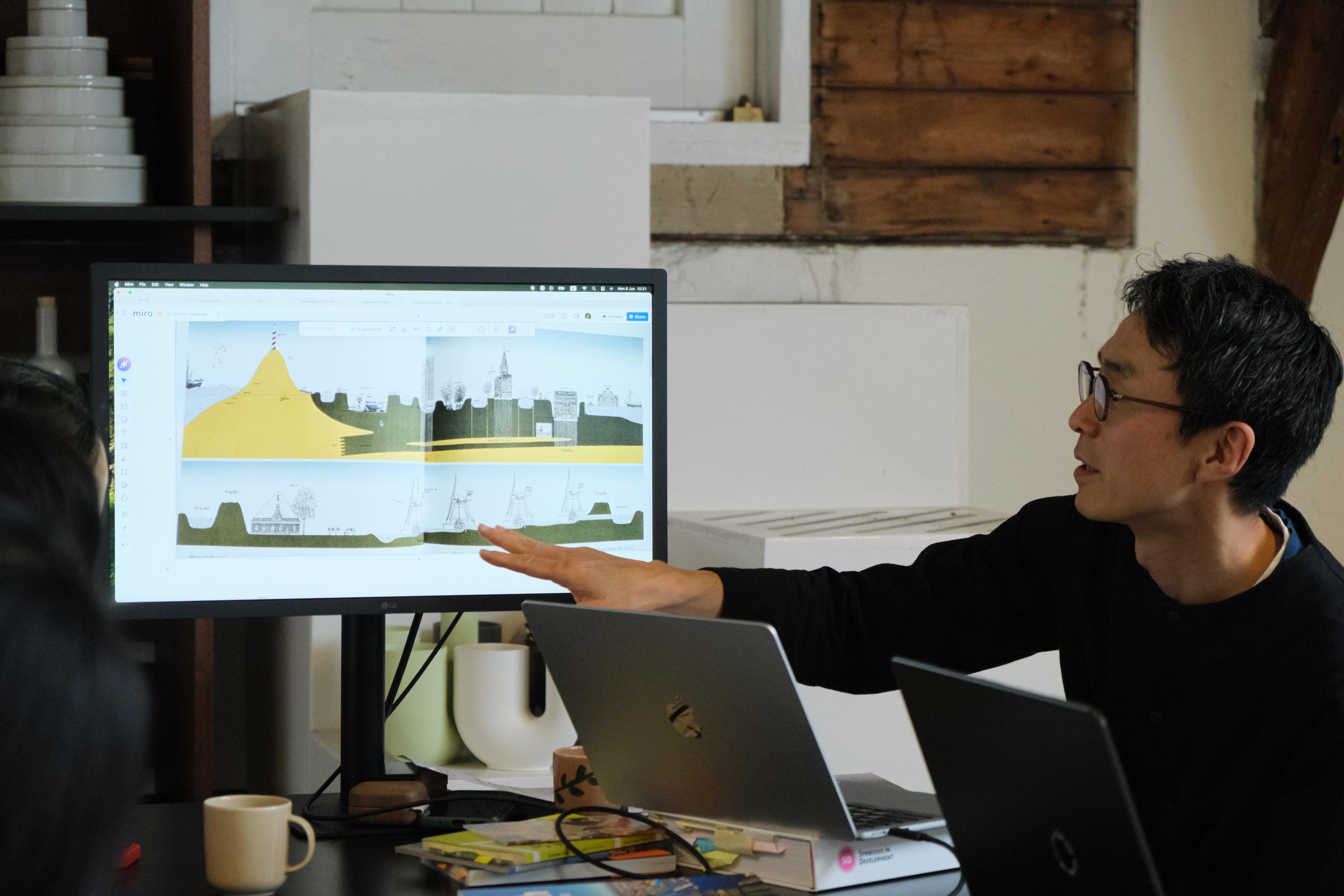
Takeshi Okahashi
Born in Tokyo in 1978. Graduated from the College of Liberal Arts at the International Christian University, Tokyo, and studied at the Copenhagen Institute of Interaction Design. Worked in Japan as a researcher on a communication education project at Hokkaido University and for a Saitama-based urban development company, before joining Re:Public, where he planned and led business creation programs. In 2020 he became independent and relocated to the Netherlands in 2020, where he currently works as an interviewer, researcher, writer and facilitator for English and Japanese-speaking audiences.